A stretched, frayed garage door cable is one of those small failures that becomes a very loud, dangerous problem if you ignore it. I have replaced cables on family homes at midnight after a holiday delivery arrived late, and I have stopped homeowners from attempting do-it-yourself fixes that would have made the problem worse. Cables are simple in principle, but they operate under tremendous tension and live inside a system of pulleys, springs, and rollers. Treating them as an afterthought risks property damage, injury, and a garage door that refuses to perform when you need it most.
This piece lays out what I have learned over years of hands-on work with residential doors, explains the clear signs of trouble, and gives a practical approach to routine care. If you live in Belmont or nearby towns, Monacco Garage Door Services and the local Garage Door Company Belmont MA teams handle dozens of cable jobs every month. Read this to spot problems early, decide what you can safely do yourself, and know when to call professionals.
Why garage door cables matter
Garage door cables transfer the force generated by the torsion springs to the door. When they fail, the door can drop uncontrollably, jam, or warp. A single snapped cable often means the other side will follow soon after because the system becomes unbalanced. Cables are subject to wear from abrasion, corrosion from de-icing salts and humidity, and long-term fatigue where the outer strands begin to separate. Unlike an isolated noisy hinge, cable failure is sudden and can be dangerous. Homeowners who delay replacing a worn cable can face higher repair bills and a real safety hazard.
Common signs your cables need attention
A few clear symptoms warn that a cable needs inspection or replacement. If the door seems to sag to one side when opening, the cables are not sharing load evenly. If the door jerks or skips during travel, worn cable strands or a frayed section might be catching on the drum or roller. Look for visible frays, rusted strands, or birdnesting where the cable has begun to unravel. Another sign is a loud metallic Belmont door experts snap or a sudden loss of counterbalance where the opener strains and fails to move the door. Finally, if the door is heavier to lift by hand than you remember, the cable-spring balance has shifted and deserves evaluation.
A quick anecdote: I once responded to a call where the homeowner had been hearing a faint rasp for weeks. He expected the opener to handle it. The day the cable let go, the door fell and bent the lower panel inward, creating an avoidable repair that cost three times more than the cable replacement would have. That rasp was telling him what he needed to act on.
Inspection — what to look for and how often
Inspect cables visually every three to six months, more frequently in coastal or high-humidity areas like parts of Massachusetts where salt and dampness accelerate corrosion. A closer inspection should happen when you service the door's rollers and hinges, usually annually. During inspection, stand clear of the door in case a cable fails. Pull the manual release and raise the door a little by hand to relieve tension on one side at a time, but only if you are comfortable doing so and the door feels balanced.
Look for these specific issues while keeping a safe distance and using protective gloves and eye protection.
- Broken strands or a fuzzy, unraveling look along the cable. Corrosion and pitting on the cable surface. Kinks or bends that change the cable's smooth curvature. Loose or missing clamps at the bottom of the cable or at the drum. Sprocket or drum grooves that are scoring the cable.
If you see any of these problems, stop using the door until a qualified technician inspects it. A frayed cable can break under load without much warning.
Basic maintenance you can safely perform
There are straightforward maintenance steps that preserve cable life without putting you at risk. These tasks reduce wear, prevent corrosion, and make professional repairs last longer.
- Keep the door tracks and drums clean. Dirt and grit accelerate abrasion, which eats at the cable's outer wires. Wipe down tracks with a damp cloth and remove built-up debris near the drum area. Lubricate moving metal parts, not the cable itself. A thin application of a high-quality garage-door lubricant on rollers and hinges reduces vibration and keeps the system aligned. Avoid oily sprays on the cable; they simply attract dust and grit. If the cable has a protective coating, do not strip it. Check anchor points. The cable attachments at the bottom bracket and at the drum should be tight and free of rust. Tighten loose bolts and replace corroded hardware. Use galvanized or stainless fasteners in coastal environments. Cycle the door weekly. Running the door through a few open-close cycles evens out wear and reveals sounds or motion changes early. Include a visual check each time you use the door.
A short checklist for routine care
Visually inspect cables every 3 to 6 months and after storms, standing clear while the door is at rest. Remove debris from tracks and drums, and wipe surfaces clean. Lubricate rollers, hinges, and bearings with a garage door lubricant designed for the purpose. Tighten and replace corroded fasteners at bottom brackets and drums with appropriate grade hardware. Run the door through several cycles weekly to spot changes and keep components moving smoothly.When a cable replacement is necessary
Cables should be replaced as soon as you detect fraying, significant corrosion, or any bent or kinked sections. You should also replace cables in pairs, even if only one shows wear. Replacing one cable leaves the door unbalanced and accelerates wear on the remaining cable and on springs. Most professionals, including Monacco Garage Door Services and reputable Garage Door Company Belmont MA technicians, will insist on replacing both cables and checking spring tension at the same time.
There is also a lifespan factor. Typical steel cables under normal residential use often last between 5 and 10 years, depending on environment and cycle frequency. Doors that see heavy daily use, extreme weather, or salt air exposure may need replacement on the shorter end of that range. If you do not know the last time cables were changed, treat them as suspect once they reach six to eight years, and arrange an inspection.
Why replacing cables is not a weekend DIY for most homeowners
The temptation to rig a temporary fix with wire or to try a patch job can be strong, especially if you need the door operational quickly. Resist it. Cables are under significant tension, and quick fixes often fail catastrophically. Proper replacement requires releasing and resetting torsion spring tension, positioning the cable on the drum correctly, and ensuring the door remains balanced. Missteps can cause the door to drop, the springs to unwind violently, or the opener to sustain damage.
I recall a homeowner who attempted a temporary splice with a steel tie and homemade crimp. The tie failed within days, the door fell, and the panels buckled inward. The eventual repair involved replacing panels, cables, and re-tensioning both springs. The total cost was several times higher than a professional cable replacement and repair would have been.
What professionals check during service
A good technician does more than swap a cable. Expect a thorough assessment that includes:
- measuring spring tension and balance, and making adjustments as needed; inspecting drums, bearings, and rollers for wear that could abrade new cables; checking the alignment of the tracks and ensuring the cable winds evenly on the drum; replacing rusted hardware with corrosion-resistant alternatives; testing the door's auto-reverse and safety sensors to ensure compliance with safety standards.
Technicians from Monacco Garage Door Services and the Garage Door Company Belmont MA bring tools and practices designed to manage the tension safely and restore the system to factory-like balance. They will also advise on upgraded cable options, such as coated cables or stainless steel, when environmental factors warrant a more robust solution.
Material choices and trade-offs
Standard galvanized steel cables are economical and perform well in typical conditions. In coastal or heavily humid climates, stainless steel cables resist corrosion better and often justify the higher upfront cost. Some cables come with a polymer coating that reduces abrasion and prevents birdnesting by holding strands together longer. The trade-off is slightly reduced heat dissipation and the possibility of the coating wearing in the drum grooves, which technicians evaluate during replacement.
If your door sees heavy usage, investing in thicker gauge cables and better drums makes sense. Heavier cables can add cost and marginally more load to the spring system, so proper spring sizing is critical when upgrading. A knowledgeable technician will calculate appropriate spring ratings and confirm the opener is matched to the door's weight.
Cost considerations and budgeting for replacements
Expect a residential cable replacement to fall in a range depending on the region, door size, and whether springs need attention at the same time. In many parts of the country, including the Belmont area serviced by Garage Door Company Belmont MA and Monacco Garage Door Services, homeowners can expect a professional replacement, including parts and labor, to be a few hundred dollars for a single-level single-car door, with larger doors or more complex systems on the higher end. If springs need replacing at the same time, factor in additional cost. Although numbers vary, consider budgeting for a full balance service rather than only swapping cables to avoid repeat visits.
If you live in a historic home or have a custom door, communicate that upfront. Some doors require special parts or panel-sensitive handling that adds time and cost. Professionals will discuss options and give a clear estimate before starting work.
Safety rules every homeowner should follow
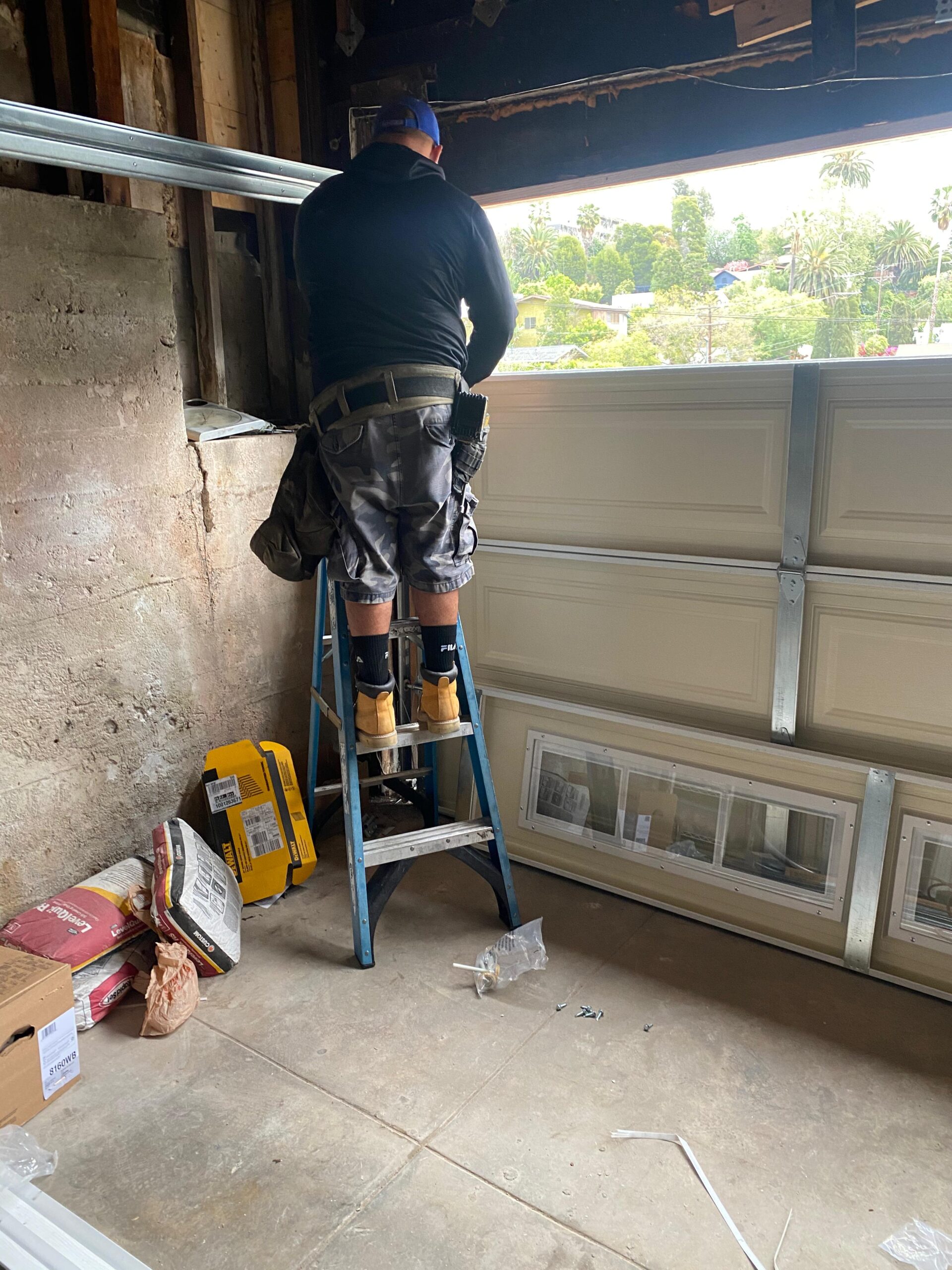
Never stand directly under a door while testing or working on cables. Wear eye protection and gloves during inspections. Do not attempt to adjust torsion springs unless you have professional training and proper winding bars. If the door feels unpredictable when you release the opener, stop and call a technician. Don’t use chain or wire intended for other applications as a substitute. Replace both cables and match them to the door and spring ratings. If your home has children or pets that frequent the garage, schedule more frequent inspections and keep the manual release key out of reach.
How Monacco Garage Door Services approaches cable care
From local experience, the best approach is proactive. Monacco Garage Door Services recommends periodic inspections during seasonal maintenance visits and encourages customers to call at the first hint of fraying or uneven operation. Their teams use torque-safe procedures for re-tensioning, replace cables in matched pairs, and offer options such as stainless or coated cables when the environment demands it. They also test and adjust opener force settings to prevent unnecessary stress on the new cables.
If you are selecting a garage door company in Belmont MA, ask about experience, insurance, and whether the technician will set the door's balance after replacement. A well-balanced door reduces strain on the opener and prolongs cable life. Request a written estimate and a parts warranty covering cables and fasteners. Reliable companies typically back their work for a period and provide recommendations for future inspection intervals.
Edge cases and special situations
Some older doors use extension springs rather than torsion springs. Extension-spring systems have different cable layouts and safety requirements, including safety cables that pass through the spring to contain it if it breaks. If your door has extension springs, ensure those safety cables are intact. Doors with multiple sectional panels, heavy custom wood doors, or non-standard counterbalance systems may need specialized cables and drums. If your garage is near saltwater, HVAC exhaust, or an industrial environment with airborne chemicals, accelerated corrosion is likely. In those cases, stainless steel and sealed bearings are a smart investment.
There are also situations with intermittent electrical signs. If the opener struggles or the motor overheats just after a cable replacement, this usually indicates an imbalance or heavier-than-expected door weight, not a cable defect. A follow-up balance check resolves most problems, but do not ignore overheating or smoke.
Final persuasion: why take action now
Garage door cables are a low-profile component until they fail. Acting early protects your door, saves money, and keeps your family safe. A quick visual inspection and periodic care keep small problems from becoming structural repairs. If you spot fraying, rust, uneven winding, or a sagging door, schedule a professional service promptly. For homeowners in Belmont MA and surrounding communities, Monacco Garage Door Services and local Garage Door Company Belmont MA technicians have the experience, parts, and safe methods to resolve cable issues properly.
Small investments now — a pair of cables replaced, hardware upgraded, springs checked and balanced — pay off in reliability. You will avoid late-night emergency calls, prevent bent panels, and keep the garage door working smoothly for years. If you want a recommendation or a quote, reach out to a trusted local company and ask for a balanced system inspection rather than a quick patch. The outcome will be a garage door that opens quietly, closes safely, and behaves the way it should every time you press the button.